Calcined Petroleum Coke About
Calcined Petroleum Coke
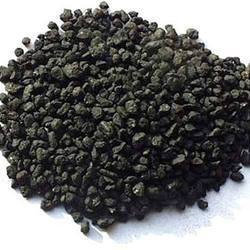
C (CPC) is a manufactured carbon product produced at a limited number of oil refineries. Petroleum coke results from the thermal processing of residual oil, which has been cracked or otherwise processed to remove low boiling fractions.
| Chemical | F. C: 98.5% min, |
| S | 1% |
| Sizes | 1-5mm, 0-10mm, 0-25mm |
| Properties | High fixed carbon, with high sulphur |
| Usage | To increase Carbon content in Cast Iron Foundry. |
|
| A |
| F.C | 98% min, 1% max |
| Ash | 1% max |
| V.M | 1% max |
| H20 | 1% max |
| Sizes | 0.5-5mm, 0.3-5mm, 0-10mm, 5-10mm. 1-10mm |
Superior Quality and CompositionOur Calcined Petroleum Coke is characterized by a high fixed carbon content of 98% minimum, as well as low levels of ash, sulfur, moisture, and phosphorus. This ensures the products suitability for critical applications requiring pure, reliable carbon sources. With good thermal conductivity and low electrical resistivity, CPC is valuable for a variety of metallurgical processes.
Versatile Applications Across IndustriesUsed extensively in steel, aluminum smelting, and foundry sectors, Calcined Petroleum Coke serves as a carbon enhancer, reducing agent, and even as a fuel. Its granular or lump forms and customizable sizes allow it to meet specific industry requirements, from improving molten metal quality to boosting furnace efficiency.
Packaging and Delivery OptionsCalcined Petroleum Coke is securely packed in HDPE or jumbo bags ranging from 25 kg to 1 ton, or as per customer specifications. This ensures safety during transport while preserving product quality. Our flexible packaging options make CPC accessible for both large-scale manufacturers and smaller operations.
FAQs of Calcined Petroleum Coke:
Q: How is Calcined Petroleum Coke typically used in the steel and aluminum industries?
A: Calcined Petroleum Coke is predominantly used as a carbon raiser in steel and aluminum production. It enhances the carbon content of molten metal, which improves its strength, conductivity, and overall quality during smelting and casting processes.
Q: What are the benefits of using CPC with high fixed carbon and low sulfur content?
A: A high fixed carbon level provides superior energy value and minimal unwanted residues, ensuring efficiency in industrial applications. Low sulfur content reduces the risk of contamination in end products, making the process cleaner and the final metal purer.
Q: When should custom-sized CPC granular or lump forms be chosen?
A: Custom-sized CPC is suitable when specific furnace or process requirements demand particular dimensions for optimal reactivity or feeding efficiency. Industries with unique production setups often opt for tailored sizes to maximize product performance.
Q: Where is your Calcined Petroleum Coke sourced and delivered?
A: We manufacture, supply, and export Calcined Petroleum Coke from India, serving clients globally. The product is distributed in robust packaging to ensure quality during domestic and international shipment.
Q: What processes are involved in the production of Calcined Petroleum Coke?
A: CPC is produced by heating raw petroleum coke in a calcination kiln at high temperatures, which removes volatile materials and increases its fixed carbon content. This process enhances the cokes purity, hardness, and electrical properties.
Q: How does the thermal conductivity of CPC benefit metallurgical applications?
A: The good thermal conductivity of CPC allows efficient heat transfer during metallurgical operations, improving furnace performance, energy use, and ensuring uniform melting or reaction in processes like steelmaking, smelting, and foundry work.
Q: What packaging options are available for Calcined Petroleum Coke shipments?
A: CPC is offered in sturdy HDPE or jumbo bags, with packaging sizes including 25 kg, 50 kg, and 1-ton options, or customized as per order requirements. This versatility accommodates various client needs from bulk orders to smaller batches.

 Send Inquiry



 Send Inquiry

 Send Inquiry